Source Reusable Classic Page Folder for Business, School, and Meetings
Find and compare 30 options for the reusable classic page folder, featuring materials like PU leather and paperboard. These organizers support offset printing and custom logos for business, school, and meeting needs; compare the available evidence and request quotations based on your requirements.
Key considerations
Products List
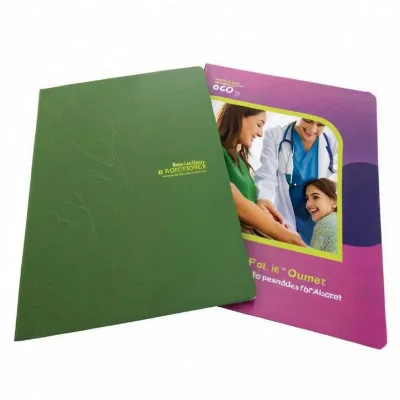
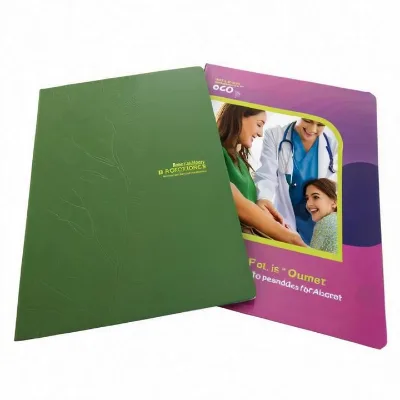


Comprehensive Sourcing Guide
Reusable Classic Page Folder Sourcing Guide
Buyers seeking reusable classic page folders must first distinguish between general paper document folders and specialized organizers with distinct closure mechanisms. The market offers variations ranging from simple clip files to PU leather organizers with zipper closures, each serving different operational needs in business or educational settings. Understanding these structural differences is critical before engaging with suppliers, as the intended use dictates the required material durability and feature set.
Procurement decisions should prioritize the specific customization capabilities available, such as CMYK printing, embossing, or hot stamping for logos. While some products are marketed as handmade and recyclable, others focus on premium materials like leather or PU for professional presentations. Buyers must verify if the supplier supports OEM and ODM requests to ensure the final product aligns with their brand identity and functional requirements for meetings or data storage.
Product Scope and Observed Listing Signals
The observed product listings reveal a wide spectrum of materials, including paperboard, kraft cardboard, art paper, and synthetic options like PU leather. Some items are explicitly designed as single-ply document bags, while others function as presentation folders with specific size standards like A4 or A5. This diversity indicates that a single supplier may offer multiple product lines, requiring buyers to carefully filter listings based on the specific material and structural attributes needed for their project.
Listing signals also highlight significant variations in functional features, such as the presence or absence of zippers, clips, and locks. While some folders are described as having no zipper or lock for simplicity, others feature zipper closures for enhanced security of contents. Buyers should scrutinize these feature descriptions to ensure the selected folder matches the intended usage environment, whether it is for general file storage, business meetings, or data book organization.
Technical Specifications to Verify
Technical verification must begin with confirming the exact size standard and paper type, as listings show options ranging from A-type clip files to A4 presentation folders. The material composition is equally critical, with some products utilizing paperboard and others relying on leather or PU for a more durable, professional finish. Buyers should request physical samples to validate the hardness, noting that some products are described as medium soft, which affects the folder's ability to hold documents securely without bending.
Print quality and finishing techniques require close inspection to ensure the final output meets brand standards. The available finishing processes include varnishing, glossy or matte lamination, embossing, and spot UV, all of which impact the visual appeal and durability of the printed logo. Additionally, the printing method, typically offset printing, must be confirmed to guarantee color accuracy and consistency across the order, especially when custom CMYK printing is a primary requirement for the project.
Compliance and Safety Documentation
While specific certification statuses are not universally listed in the provided data, buyers must request documentation regarding the safety of materials used, particularly for products intended for educational or general office environments. The recyclable nature of paper-based folders is a positive attribute, but synthetic materials like PU leather may require specific compliance statements regarding chemical content and environmental impact. Ensuring that the supplier can provide relevant safety data sheets is essential for maintaining corporate responsibility standards.
Documentation should also cover the manufacturing standards and origin verification to confirm the product meets international trade requirements. Although some listings specify origins in Guangdong or Fujian, China, buyers should verify that the production process adheres to recognized quality management systems. This verification helps mitigate risks associated with supply chain disruptions and ensures that the finished goods are produced in facilities that maintain consistent quality control protocols.
Cost Drivers and Commercial Terms
Cost structures are heavily influenced by the chosen material, with PU leather and specialized paperboard options typically commanding higher prices than standard kraft cardboard. The complexity of customization, including multi-color CMYK printing and advanced finishing techniques like spot UV or embossing, further drives up the unit cost. Buyers should anticipate that premium features and smaller order quantities will result in a higher price per unit, necessitating a careful balance between budget constraints and desired product quality.
Commercial terms vary significantly based on the order volume and the specific product model selected. Minimum Order Quantities (MOQ) observed in the market range from 300 pieces to 20,000 pieces, with some listings indicating a standard MOQ of 300 PCS. Lead times also fluctuate, with sample times ranging from 5 to 7 days and production lead times extending from 15 to 25 days depending on the complexity of the order and the supplier's current capacity.
Supplier Qualification and Quality Control
Supplier qualification should focus on their ability to handle both OEM and ODM requests while maintaining consistent quality across large production runs. Buyers must assess the supplier's sample policy, noting that sample costs can be as high as USD 50 per piece, which serves as an initial indicator of their commitment to quality assurance. A reputable supplier will provide detailed samples that accurately reflect the final product's material, finish, and printing quality before mass production begins.
Quality control processes must be verified through clear communication regarding inspection protocols and defect tolerance levels. Since products are often packed in cartons or individual OPP bags, the packaging method should be confirmed to prevent damage during transit. Buyers should establish a clear agreement on how quality issues will be handled, ensuring that the supplier has the capacity to address any discrepancies in printing, material strength, or assembly before the goods are shipped.
Long-Term Procurement Checks
Establishing a long-term partnership requires regular audits of the supplier's ability to maintain consistent lead times and quality standards over multiple orders. Buyers should monitor the supplier's responsiveness to changes in design or material requirements, as flexibility is crucial for adapting to market trends and evolving business needs. Consistent performance in meeting sample times and production deadlines is a key indicator of a reliable supplier capable of supporting ongoing procurement strategies.
Continuous evaluation of the product's durability and user satisfaction is essential for validating the initial procurement decision. Buyers should gather feedback from end-users regarding the folder's performance in real-world scenarios, such as its ability to protect documents during travel or its suitability for repeated use in meetings. This feedback loop allows for informed adjustments to future orders, ensuring that the selected reusable classic page folders continue to meet the organization's operational requirements effectively.
FAQs
What materials are used for reusable classic page folders?
Reusable classic page folders are typically constructed from paperboard, kraft cardboard, art paper, or cardboard. Some premium options utilize PU leather or leather for enhanced durability and a professional appearance. These materials ensure the folders are sturdy enough for repeated use while remaining lightweight for easy transport in business or school settings.
Can I customize the logo on these folders?
Yes, customization is available for most reusable classic page folders. You can add your logo using embossing or hot stamping techniques. Additionally, offset printing allows for full CMYK color designs. OEM and ODM services are welcome, enabling you to tailor the folder's appearance to match your brand identity perfectly.
What is the typical lead time for production?
The typical lead time for production ranges from 15 to 25 days depending on the specific product model and order volume. Sample preparation usually takes between 5 to 7 days. It is advisable to plan your procurement schedule accordingly to ensure timely delivery for your business meetings or school events.
What is the minimum order quantity for these folders?
The minimum order quantity varies by product type, generally ranging from 2 to 20,000 pieces. Specific models often have an MOQ of 300 pieces. Bulk orders may benefit from lower unit prices, with observed costs ranging from 0.02 to 13.6 USD per unit depending on customization and material choices.
Are these folders suitable for business meetings?
Yes, these folders are explicitly designed for business, work, and meeting purposes. They feature professional designs such as A4 or A5 presentation folders with clip or zipper closures. The durable materials and organized pockets make them ideal for holding documents, data books, and wordpads during professional engagements.
What printing options are available for custom designs?
Offset printing is the standard method for applying custom designs to these folders. You can choose from various finishing options including varnishing, glossy or matte lamination, embossing, and spot UV. These techniques enhance the visual appeal and tactile quality of the folder, ensuring a premium look for your branded materials.